86 05926252889
 allie@hqmount.com







A global shift is underway for solar power plants, moving from simple generation to integrated solar-plus-storage systems. Driven by government mandates, volatile electricity prices, and new policy incentives, pairing solar panels with batteries is becoming a standard requirement for grid stability and a key driver of pv project profitability.
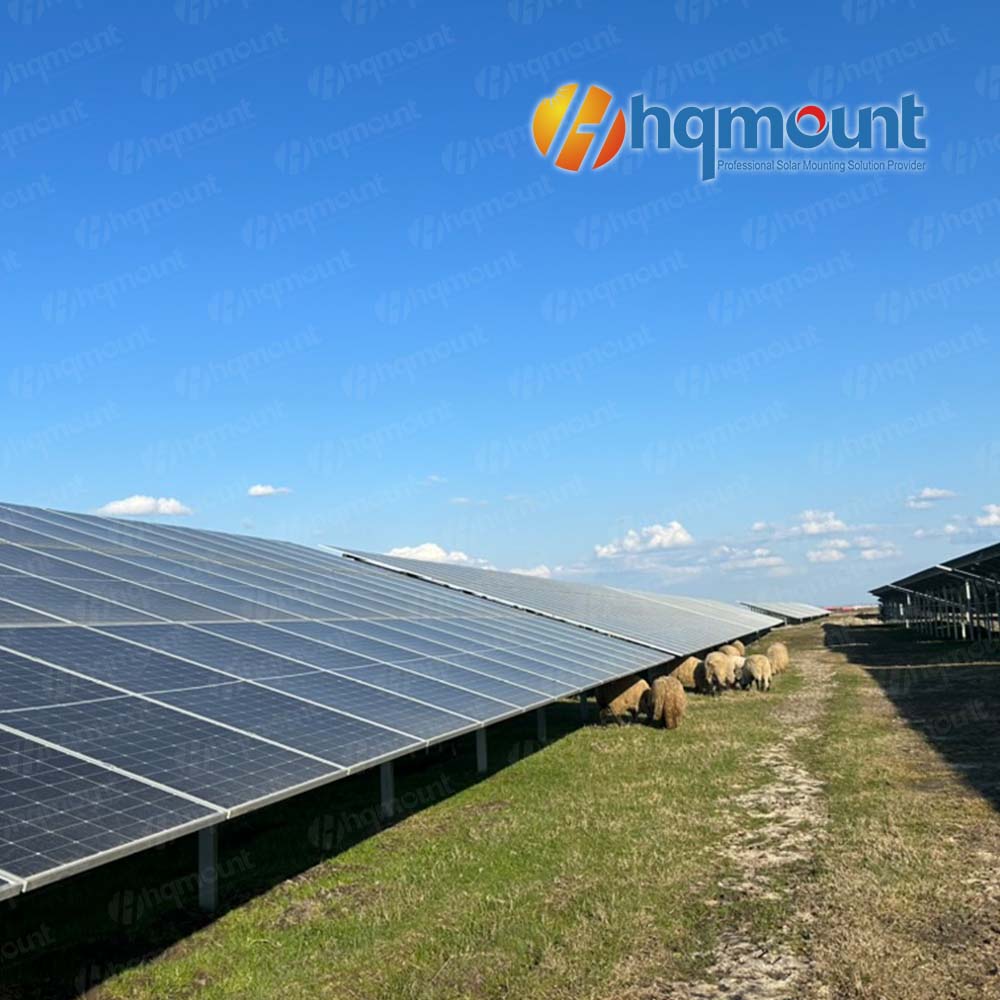 HQ Mount commercial solar power plant site
Core Drivers for Battery Adoption
Driver
Mechanism & Evidence
1. Grid Stability Mandates
Governments require Battery Energy Storage Systems (BESS) at utility-scale power plants to prevent midday solar surges from overwhelming the grid.
2. Price Arbitrage & Ancillary Services
Batteries store cheap/negative-priced midday power for sale during high-price periods. A 2025 study found BESS with solar can achieve payback in 1.8 to 6.8 years in Sweden and Germany by trading in solar energy and frequency markets.
3. Policy Incentives
Subsidies and rules (e.g., specific programs encouraging midday storage) improve economics. A model showed adding storage for a Canadian industrial user could yield $11M in benefits over 15 years when providing grid services
China's Export Policy for Solar Battery
A Reshapes Global Marketmajor factor influencing the global supply and pricing of storage systems is a recent policy shift from China, the world's leading solar power system manufacturer. To promote high-quality industry growth and curb excessive price competition, China is phasing out Value-Added Tax (VAT) export rebates for renewable energy products.
Timeline of the Policy Change:
Date: 1st APR 2026
Battery Products: export tax refund 0% (from 9% to 0%)
This means Chinese solar storage systems will become relatively more expensive for overseas solar power project owners. The policy aims to steer the solar industry away from "involution-style" competition based solely on price and towards green, high-quality development.
Market Trends & Future Outlook
The industry is responding to these drivers with rapid technological advancement. The trend is toward larger capacity systems (5MWh+ is now mainstream) and higher capacity cells (314Ah) to improve solar energy density and reduce costs.
As markets mature, the focus is shifting from upfront cost to total lifetime value. A Morgan Stanley analysis highlighted that the battery's long-term decay rate is critical; a system with slow decay can deliver an internal rate of return (IRR) 11 percentage points higher than one with fast decay over 20 years.
In summary, the combination of regulatory push, strong profit pull, and an evolving global supply chain is making solar batteries an indispensable component of modern renewable energy projects.
If you are interested, I can provide more detailed analysis on the profitability models in specific regional markets like Europe or North America.

HQ Mount is a leading solar solution provider, if you need more infomation about solar battery, we are here to offer suggestions.